(version française ici)
His name belongs to a constellation of composers whose writing has hot stamped sixties and seventies pop music. Variety, television, cinema, ballet and theatre have all been touched by Jack Arel’s signature, although he preserved a certain element of mystery regarding his nationality. French? American? English? This ambiguity took root with his first feature film, Les Jeunes Loups, for which veteran Marcel Carné demanded an Anglo-Saxon creative partnership, which led to Arel’s original, founding hit “I’ll never leave you”. This song would be, the initial milestone of a career seeing him work with artists including Eddy Mitchell, Tom Jones and Florent Pagny, while also scoring the imagery of Nadine Trintignant and Fernando Arrabal and creating the most memorable of TV theme tunes, including the timeless and untainted folk ballad for Trente millions d’amis.
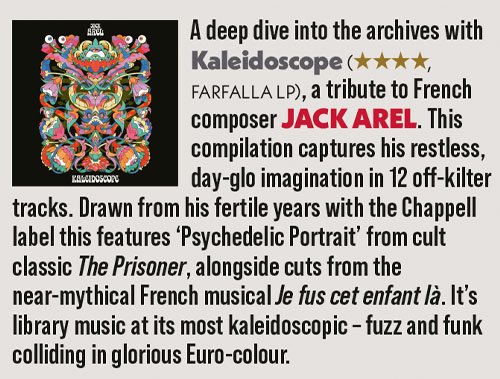
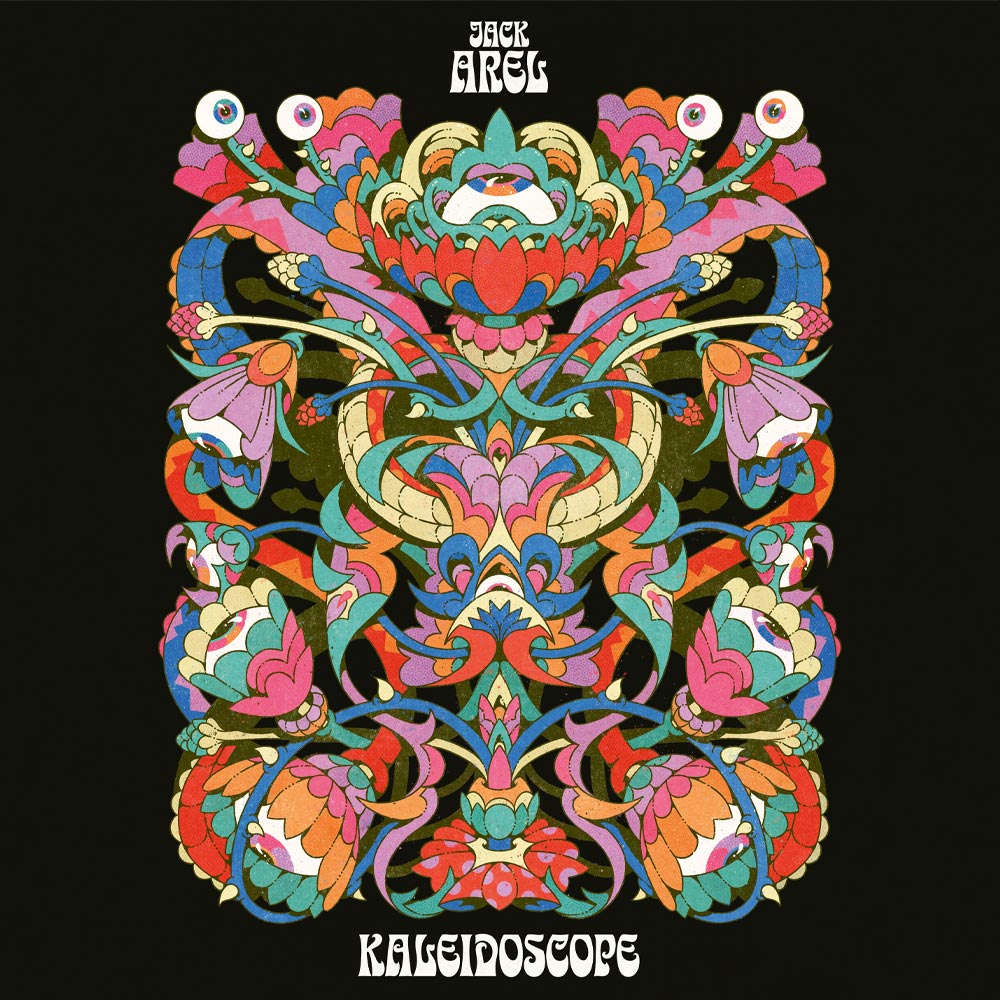
There is a vast territory left to uncover within the works of Jack Arel: that consecrated to musical illustration, the fruit of a long and productive collaboration with Chappell initiated in the spring of 1966. At the time, library music remained the protected ground of a generation of composers from the nineteen forties/fifties, still held under the influence of waltzes, slows, foxtrots and other silver hued rhythms. With the young Jean-Claude Petit as a writing partner, Arel would shake things up. He put together the album, Dance And Mood Music, from an experimental concept: one side of jingles and the other a side of instrumentals, influenced by music from across the channel. An instant success, notably in terms of radio. Preparations for a second record were quickly put into progress. “Our experiences were like lab tests” remembers Arel. “We brought together elements from the universes of pop, jazz and rock. It was very carefully written and prepared… but equally very free. This was the aspect that our soloists appreciated, artists of stature such as Jean-Luc Ponty, Maurice Vander and Georges Arvanitas. With us they would discover a different kind of atmosphere, long orchestral beaches where they could fully express themselves. It was a real wave of freedom: unleashed from the constraints imposed by an image or text, I wrote tracks that television, advertising and the cinema would appropriate to themselves further down the line. This music was the essence of me, deep down it was what I wanted to write.”
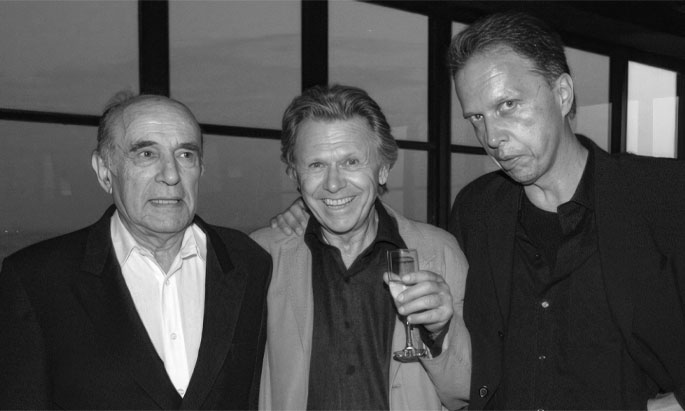
Eleven records ensued, to the rhythm of one LP per year, accompanied along one part of the journey with Jean-Claude Petit, the other with Pierre Dutour. The impact of these albums crowned the sound of an era, in France and beyond: several titles follow the metaphysical wanderings of Patrick McGoohan, in several episodes of the legendary British series The Prisoner. At the turn of the 21st century, England was to be thanked once again, with an anthology of Arel’s Chappell sessions, a double CD being passed greedily through the hands of DJs from New York to Tokyo and Caracas. “At the end of the nineteen sixties, I could never have imagined that this music would be remixed forty years later” smiles Jack Arel. “Though firmly rooted in their own eras, they must be graced with an element of timelessness to be capable of fascinating new generations to such an extent.” He’s right, and listening to his latest album confirms this loud and clear. With his Dance And Mood Music albums, Jack Arel has definitively brought musical illustration into a new era, the modern era.
Stéphane Lerouge
RELEASES
PRESS